यात्रा-पुस्तिका से एक पंक्ति “Oh yahan tak pani aa gya tha, sara panchayat ghar doob gya tha, sara kagaz kugaz kharb ho gaye the!”
यह कथा अभी हिंदी में नहीं लिखी गई है। मूल अंग्रेज़ी पाठ नीचे है।
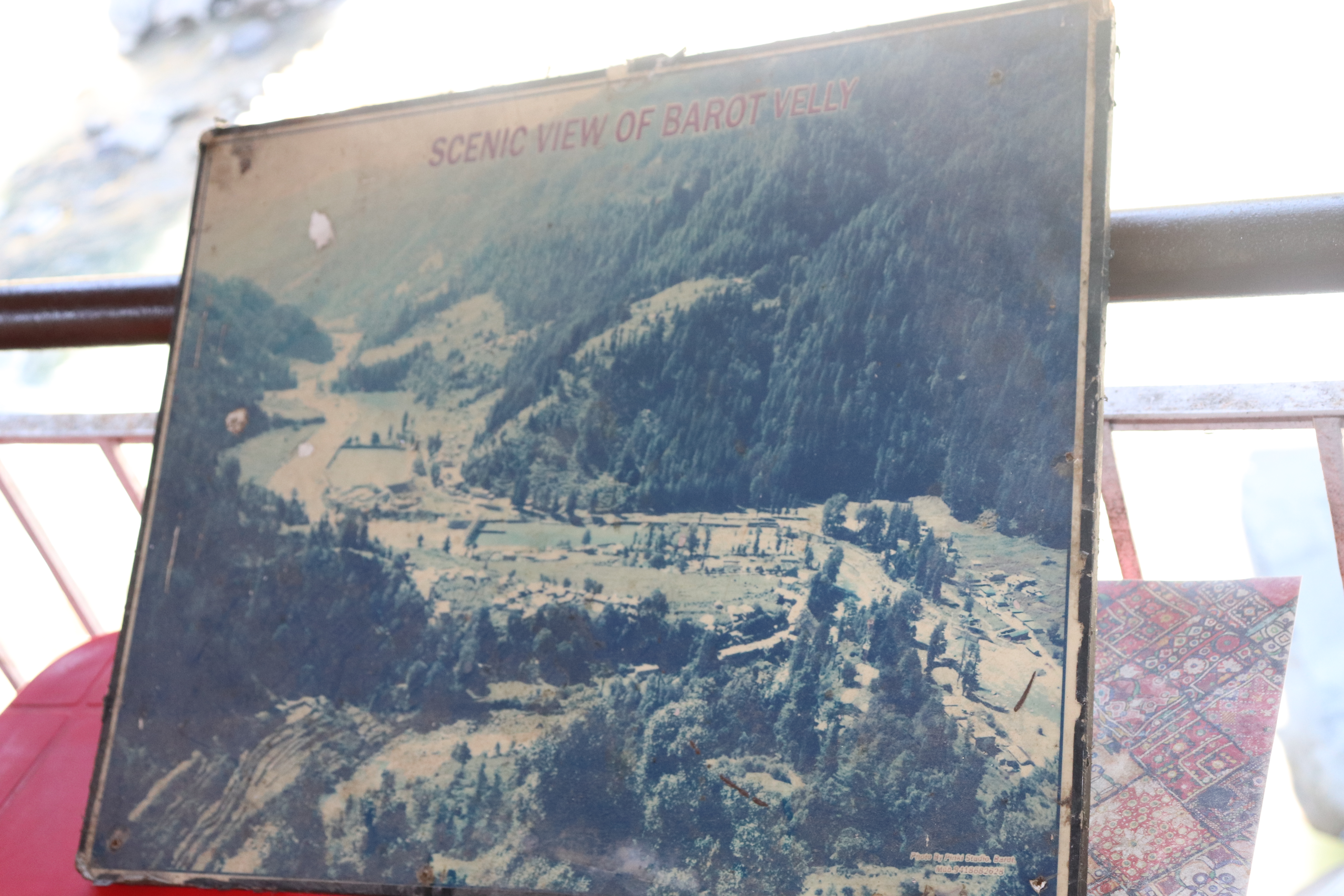
Barot is a small village nestled in the valley of Mandi, located almost on the border between the Mandi and Kangra districts of Himachal Pradesh. Despite its modest size, Barot holds special historical and infrastructural significance, particularly due to its association with British-era engineering in the region.
The British were drawn to Barot not only for its picturesque landscape but also for its strategic potential. The village became home to one of the earliest hill dams and reservoirs in the region. Water collected here is diverted through tunnels and converted into a run-of-the-river hydropower project, an engineering feat built over a hundred years ago by the British government. Later, this project was handed over to the Punjab government and, to this day, has not been fully transferred to Himachal Pradesh’s administration.
What makes Barot even more unique, apart from the still-intact British infrastructure, is the presence of an old railway line. A small train once connected this remote valley to the Kangra Valley Railway, forming a crucial linkage across the mountains. Although sections of the track are still visible today, the line is no longer functional. Together, these remnants of colonial infrastructure give Barot a distinctive historical importance.
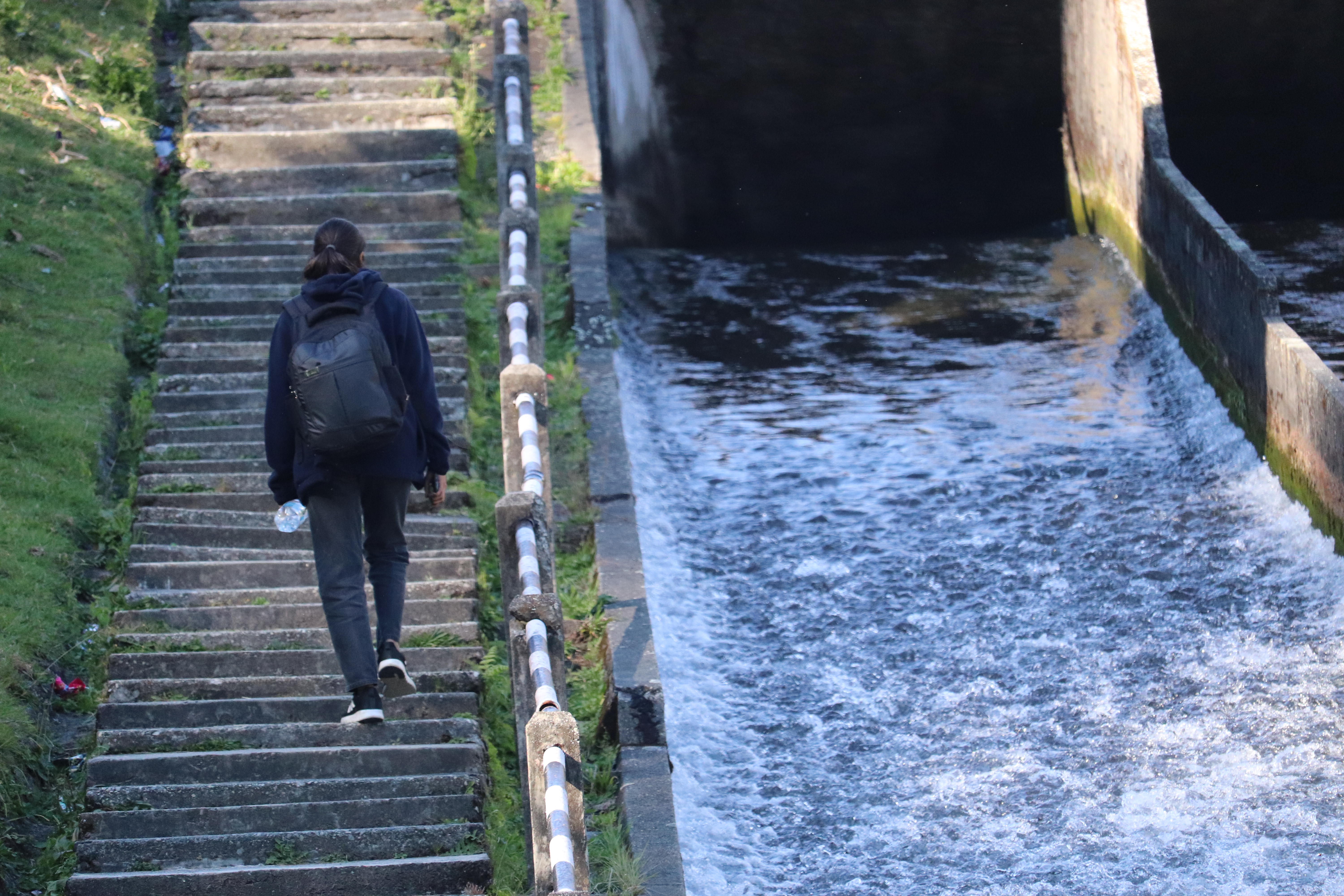
As one local resident remarked, “Look at the infrastructure, it is still standing strong after more than a hundred years,” reminding us of the enduring legacy of colonial engineering. Beyond infrastructure, the village thrives due to abundant water resources and agriculture. Water is collected, filtered through flowing channels, and then transferred through tunnels to the other side of the mountain, sustaining both power generation and local livelihoods.
An elderly man recalled how, in earlier times, one could walk alongside the water channel all the way to the other side of the mountain, something no longer possible today. He spoke of a dedicated department that once carefully managed the water channels, where water flowed in a highly regulated, mechanical manner.
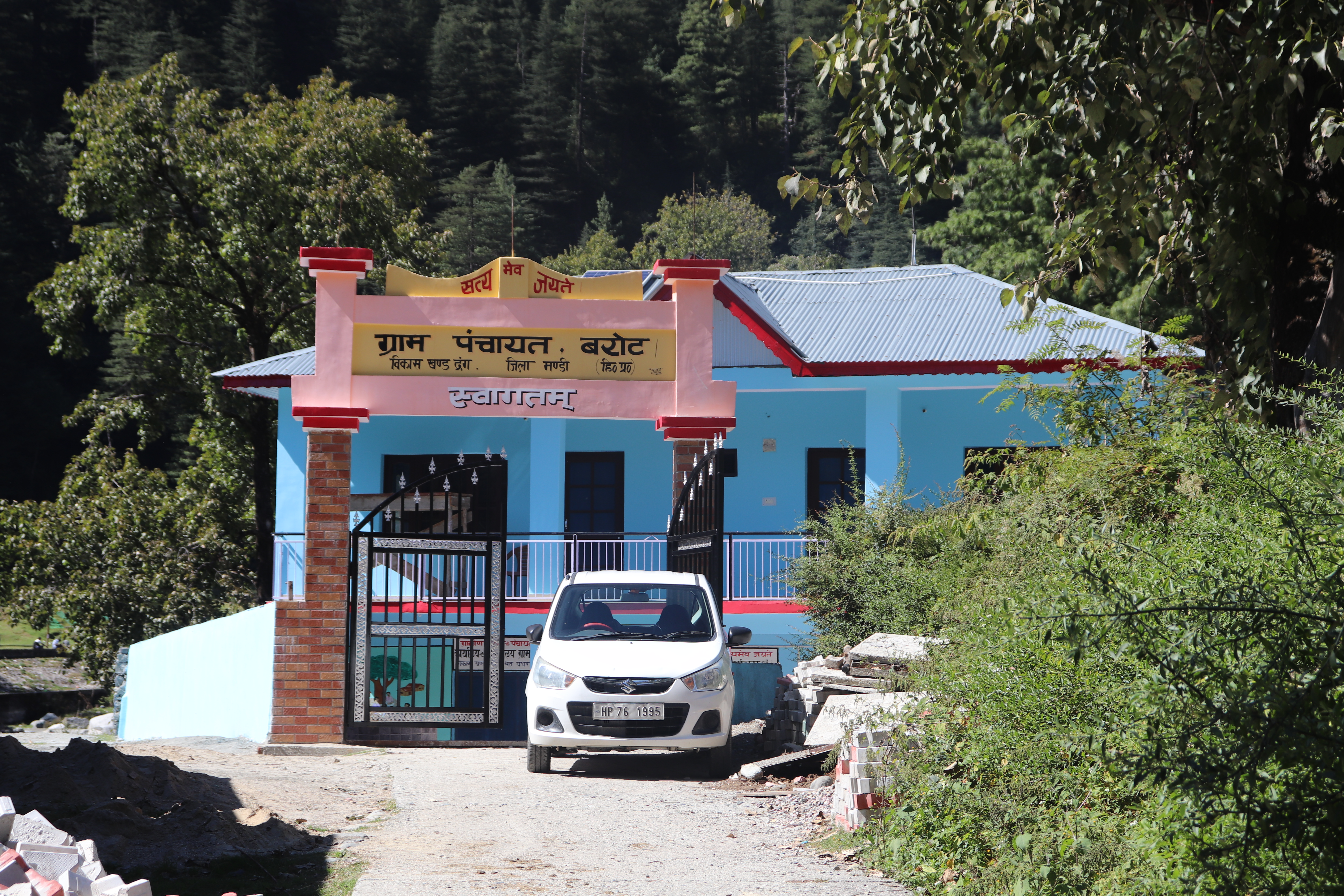
However, life in Barot has not been without struggles. During a conversation with the secretary at the panchayat house, we learned about instances when the reservoir overflowed. Since the panchayat ghar is located close to the reservoir, it too was submerged during such events, damaging documents and rendering them unusable. For the people of Barot, this place is not merely a growing tourist attraction, it is the foundation of their livelihoods.
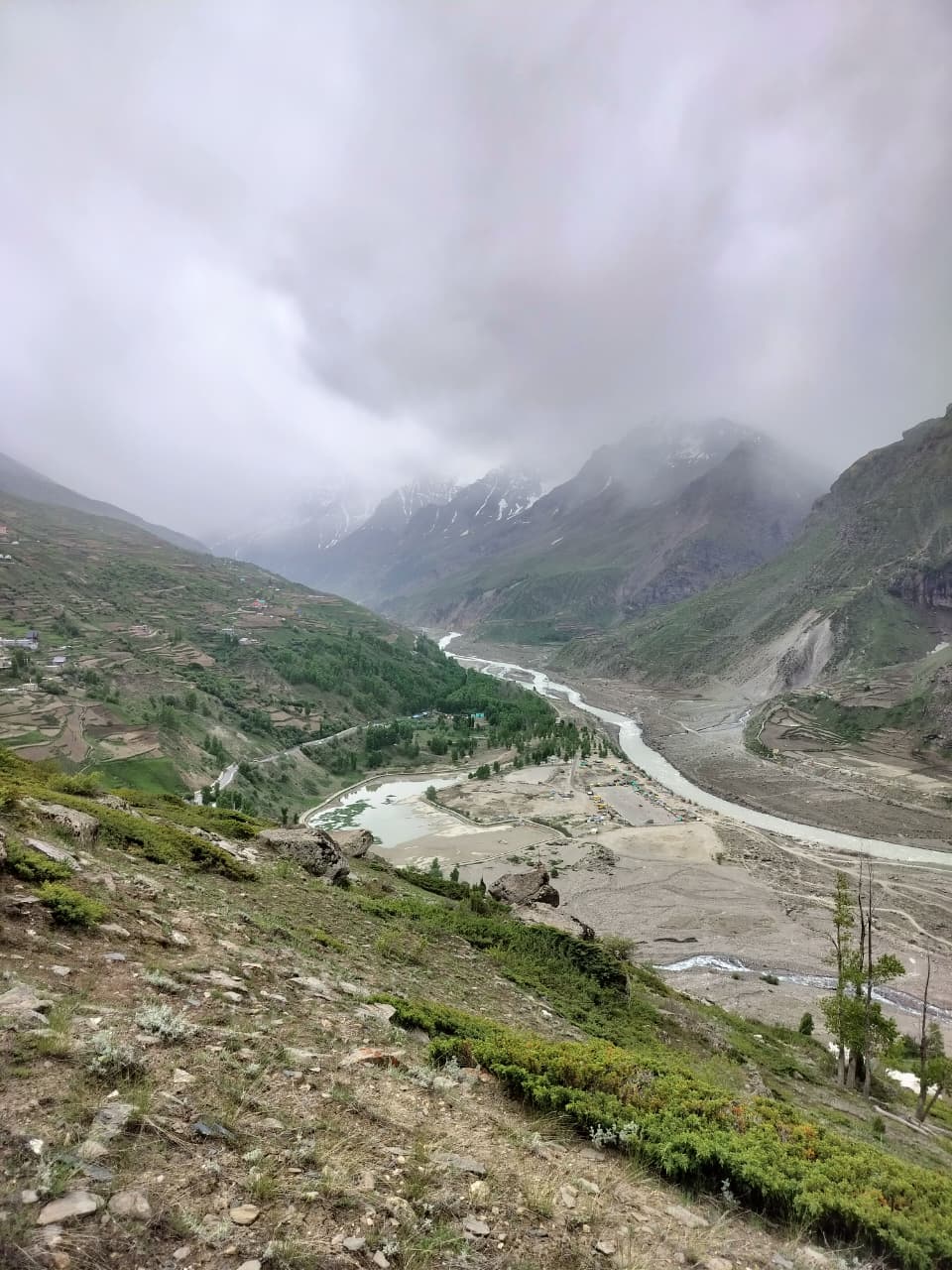
While we have discussed the reservoirs, the hardships caused by water, and the opportunities it provides, we must also understand what this water truly represents. The waters here belong to the Uhl (or Uhal) River, which originates from the Thansar Glacier and eventually merges with the Beas River near Pandoh. Though geographically short, the Uhl River is unique, with dams along its course and international-level institutions situated near its banks.
The Uhl is often referred to as a “trout river” because of the cold, fresh waters that support trout, a species introduced by the British. While geographical and physical features help define the river, they alone are not enough to fully understand it. The river also has a character shaped by how people living around it perceive and interact with it.
For the panchayat secretary, the river represents danger and loss due to flooding. For tourism enterprises, it is the region’s most distinctive attraction. For the British, it was a source of power and an opportunity to experiment with water management and exotic fish species that would eventually become part of the region’s ecology.
Thus, the river takes on multiple identities. It becomes mechanical within dams, dangerous near institutions like the IIT campus where people are warned to stay away, and playful, chanchal, in the eyes of an elderly woman who sees it as a living presence with its own moods and value. The river is not only an indicator of weather, changing color with the seasons, but also an entity with its own personality and significance.
In Barot, the Uhl River is more than flowing water, it is history, livelihood, risk, resource, and memory, all intertwined within the life of the village.