A line from the field “Bina tandoor to kahan rehna”
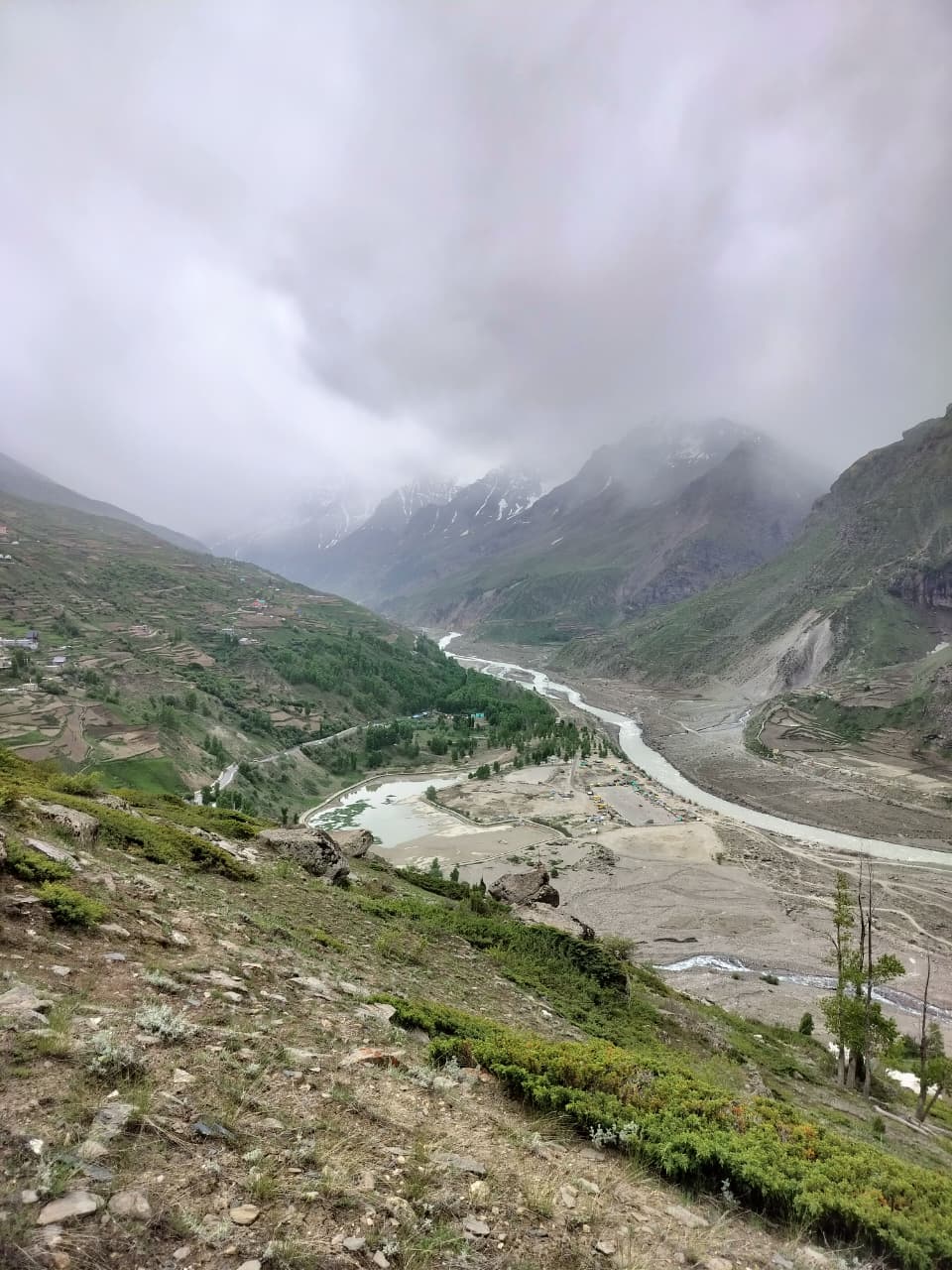
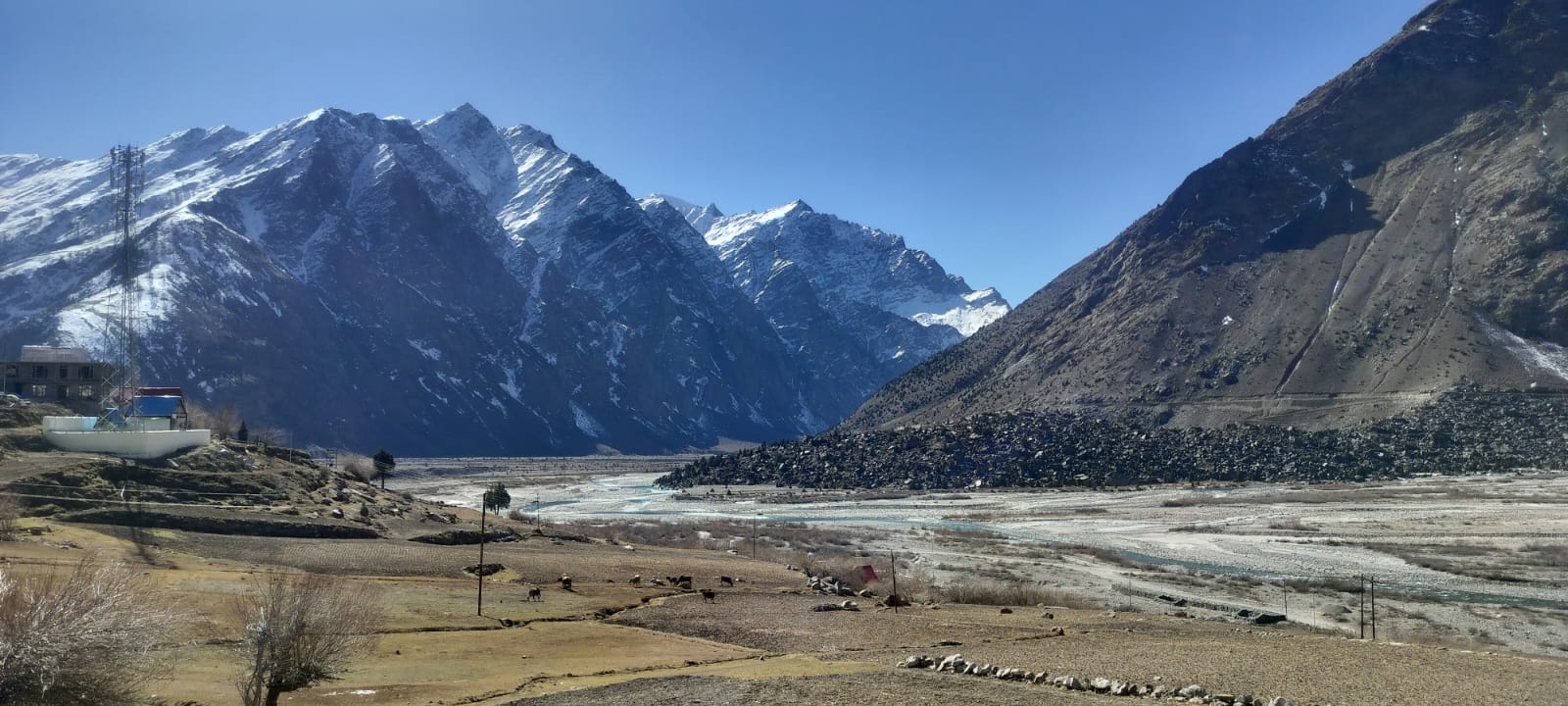
To live is to experience, and yes, I lived a whole day in Darcha. Darcha is a small village whose story everyone in Darcha knows. This is about a small village tucked in the lap of the Himalayan ranges, where it snows heavily for about 6 months. The closest towns to this village are at least 200 kms away, days away on these mountainous roads.
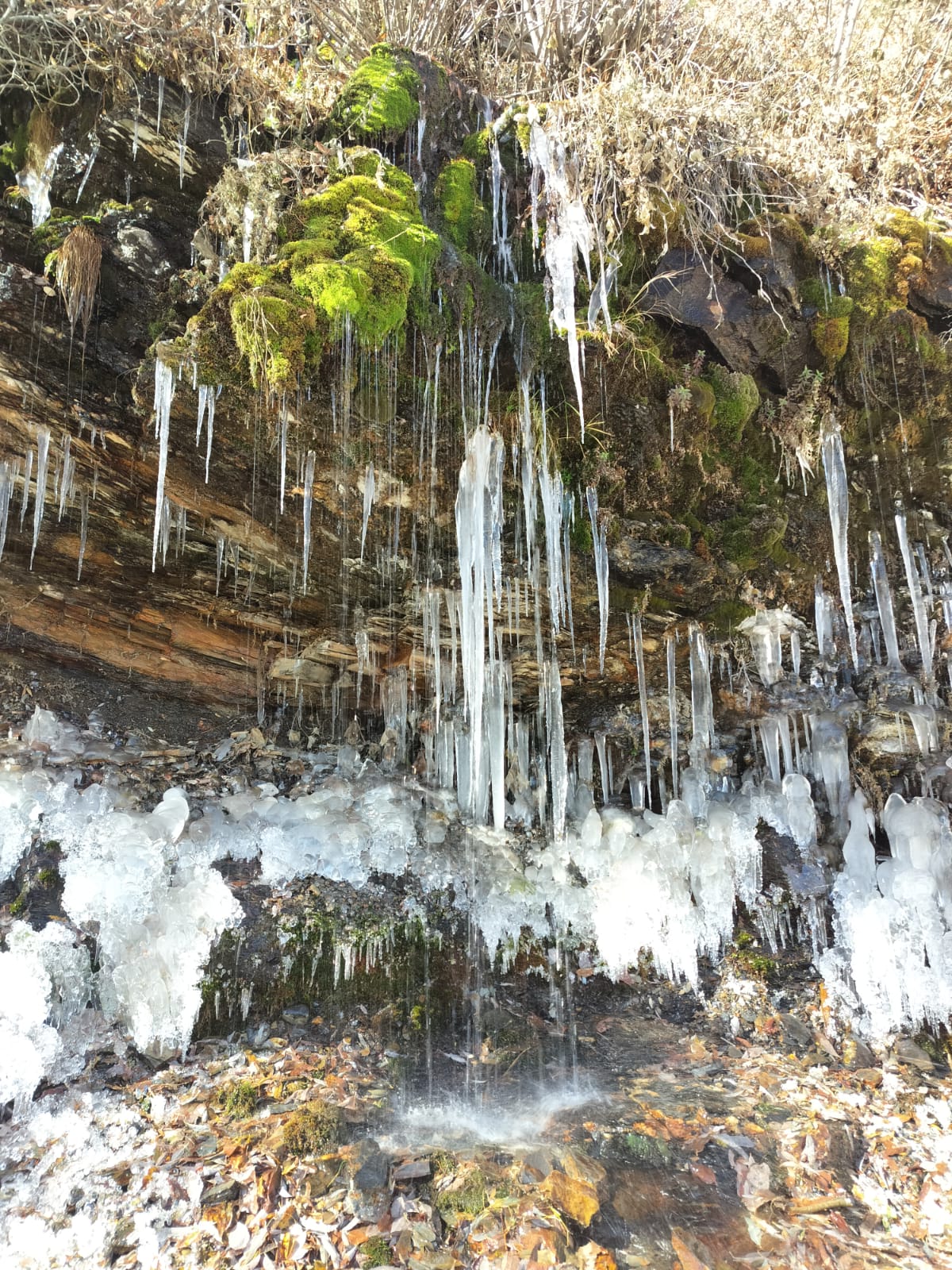
I went to Darcha around the onset of winters, with two spells of snowfall already in the season. The water is starting to freeze now, but melts during the sunny afternoons. What you get on the roads today are icicles formed on the mountains’ hairpin bends as water seeps onto the road. If you look closely, it looks like icicles form the roots of these shrubs, under the ground.
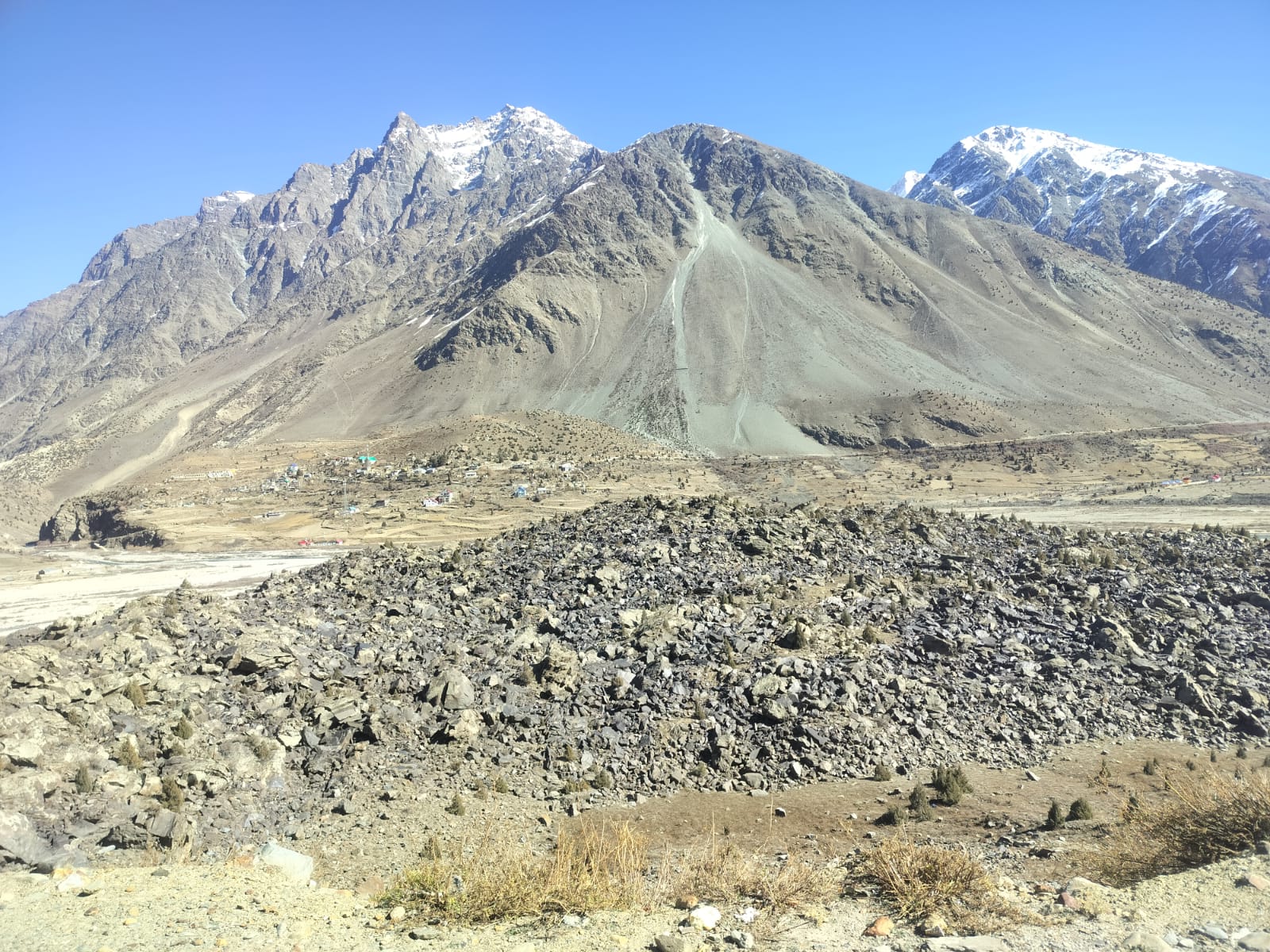
It’s obviously been freezing cold during winters. Once, an elderly man roamed around in the winters, looking for shelter in the harshest of the 6 months. Fast winds blow outside, and what the old man looks for is a shelter, considering how warm and welcoming mountain people usually are. But he was surprised to find no place to simply get under a roof. What would the old man do? Just before leaving, he said that this place is not where he wants to be, where finding a shelter is too difficult, this must be moved beyond. Before his last words ended, the mountain fell and took the whole village along. Leaving only that one house where the old man finally found shelter. That one village house moved and reached the other side of the mountain.
I reached Darcha about 10 minutes ago. The village is just a small one, scattered settlements around. A good number of homestays are running. It’s also pretty cold right now. Here, we have a library being built. An old abandoned school building is being restored into a community library, the construction is still in progress. A tandoor forms an essential part of Darcha’s life too, I mean obviously. Tenzin said, “Bina tandoor to kahan rehna.” One school teacher has been living in the old building, in one room out of the four rooms in the building. A 2×2 structure with two small rooms below and two rooms on the top. With slanted roofs, obviously, for heavy snowfall. On the other side from here, you can see these rocks, this is the part of the Himalayas that, they say, took out the village, and then Darcha came onto the other side.
Well yes, that’s the story of the Himalayan village of Darcha.
And that’s not the only story.
Darcha has numerous stories rooted in its oral history. As generations have passed, these stories have become an increasing part of its identity. More so, the stories around these are also different, such that different versions of these stories float around in its identity.
Another version of the similar story elucidates the old man being disrespected at the community gathering feast. While other elders are put in the front, the old man is left on the sidelines. Such disrespect becomes intolerable to him and he finally leaves, putting a curve to the village’s fate. The village collapses under the rocks.
All these stories, again, with similar ends, cause one to think about how a geographic event has led to the formation of such stories, restoring (maybe) a true geographic incident of rocks falling from the mountain. To such an event, special significance is given, such that it becomes part of the identity of the region. They provide stories of one’s existence and a reason for their existential, fruitless endeavours. More like a tourist experience.
To me, whether these rocks fell or not is not the question under supervision. To be precise, if it happened or not is not my concern. The concern resides in how this story relates to the identity of Darcha. More so, if really that mountain fell, what kind of knowledge does this produce for the identity itself? It curates an existence of a mountain event and the kind of adversity these mountains can bring. More so, it imitates a respect for elders, and for the ones in need. More so, it also warns of taking these carefully, the respect and the event.
Coming to Darcha isn’t always easy. In Darcha, with snow, avalanches are a big concern, bringing huge rocks with them. In the 500 metre stretch of the old rock-fallen zone, it is a major avalanche-prone region. Tenzin said, “Vo pahad ekdum hi khada hai, hai na.” Often, the road closes for weeks, even when BRO clears it within 2–3 days.
Well, stories floating in the systems become too old for identifying one single truth in the place. They resemble the place, imitating not just elders but the mountains too as living entities. These float not because they are tools of the mental, but because they are crafted in the material being and engaged in social beings.