
Barot Village: British Colonial Heritage and the Uhl River in Himachal Pradesh
Barot village in Mandi, Himachal Pradesh: explore British-era hydropower infrastructure, the historic Uhl River, and the community's relationship with water resources.
The network
Places we are documenting and writing about across the Indian Himalayas: stories, makers, and resources joined by threads, like prayer flags strung between ridges.
Pins are places being documented, not field sites. HWN documents; it does not operate.
Barot village in Mandi, Himachal Pradesh: explore British-era hydropower infrastructure, the historic Uhl River, and the community's relationship with water resources.
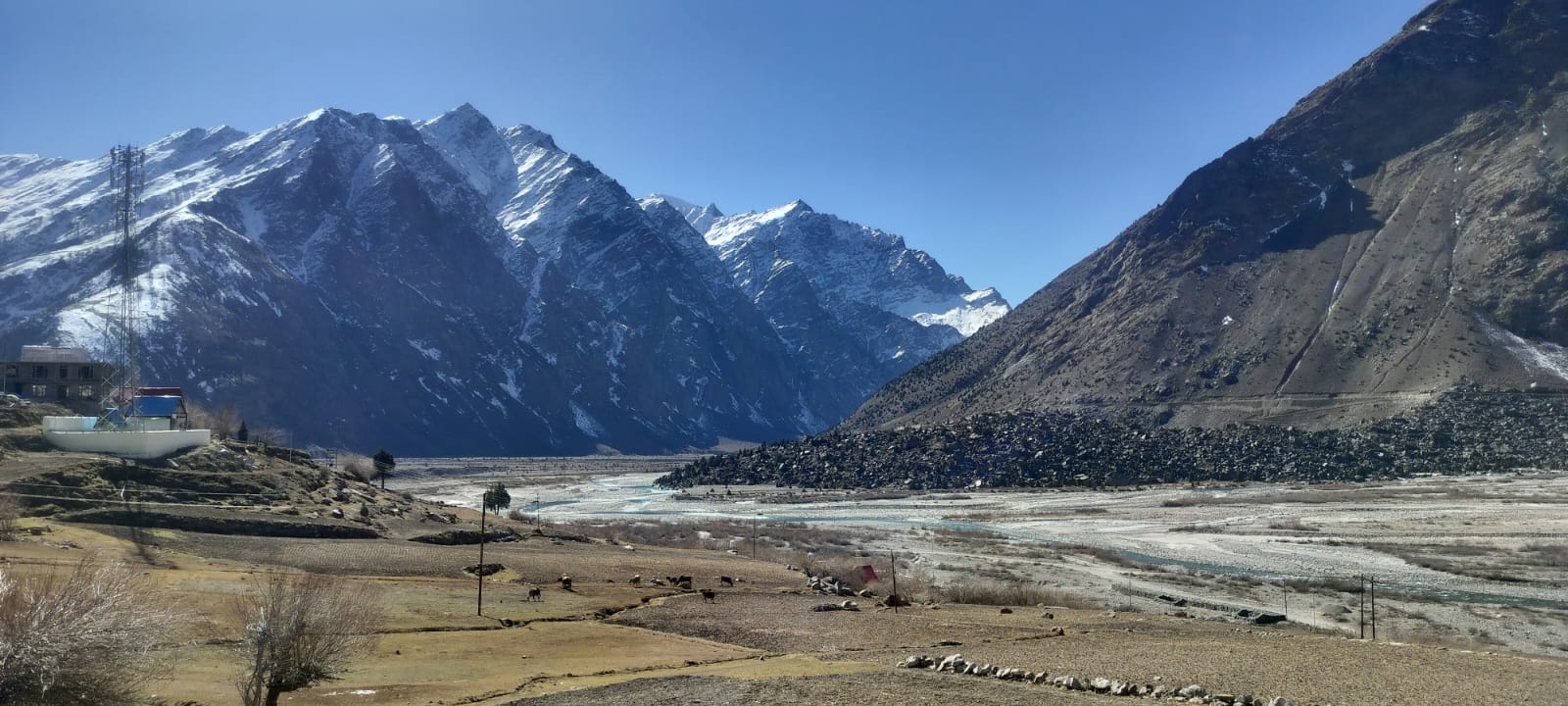
Explore Darcha, a remote Himalayan village shaped by snowfall, oral history and ancient legends. From its avalanche-prone mountains to its community life around tandoors and a newly restored library, discover how stories of survival, geography and culture define the identity of this high-altitude settlement.
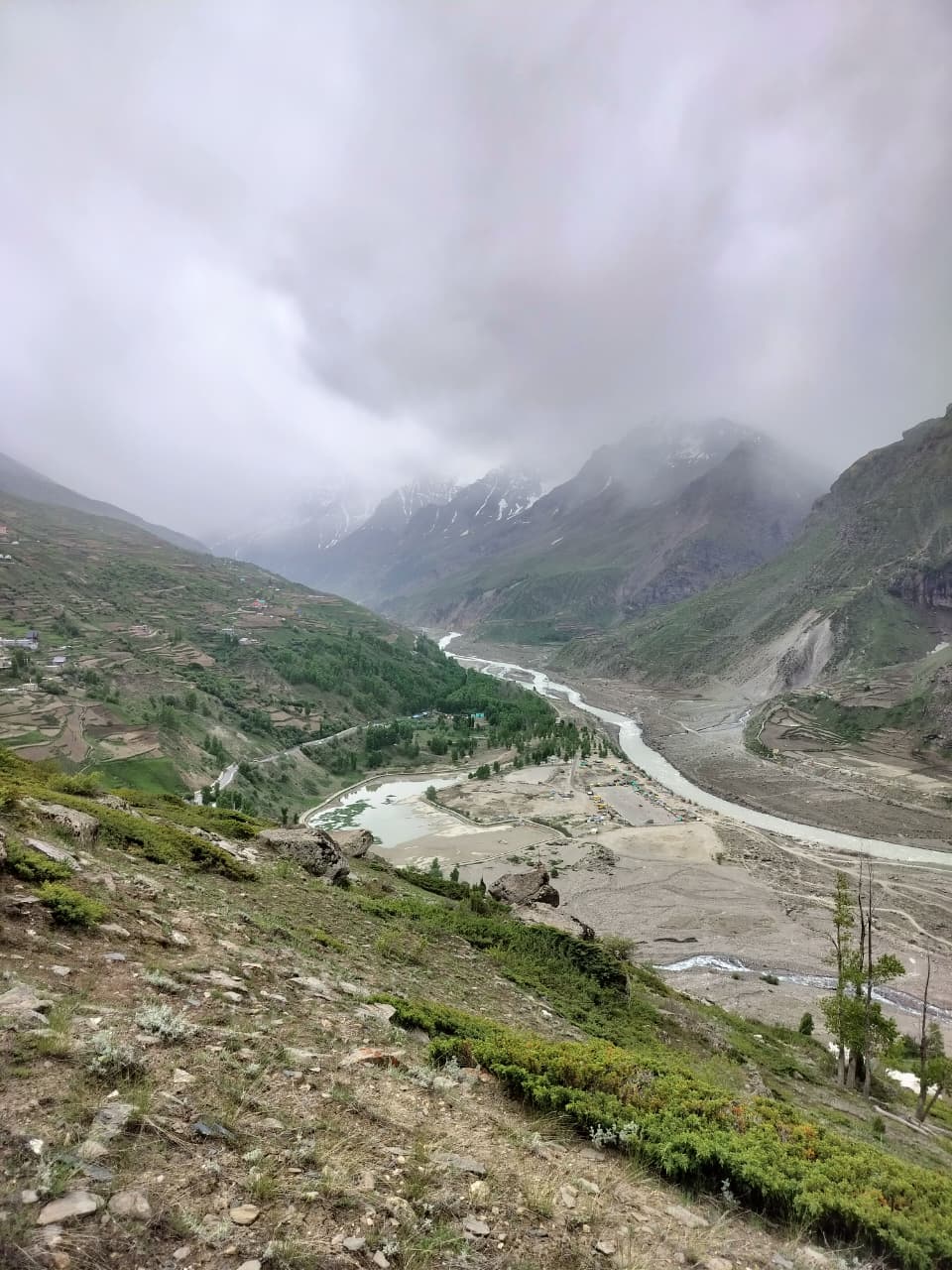
Discover the Himalayan winter through the local names for snow, called Mu. From light Nyirtschi Mu to heavy Lakar Mu and sparkling Lemzee Mu, this homestay story captures the culture, climate and charm of snowfall in the mountains.
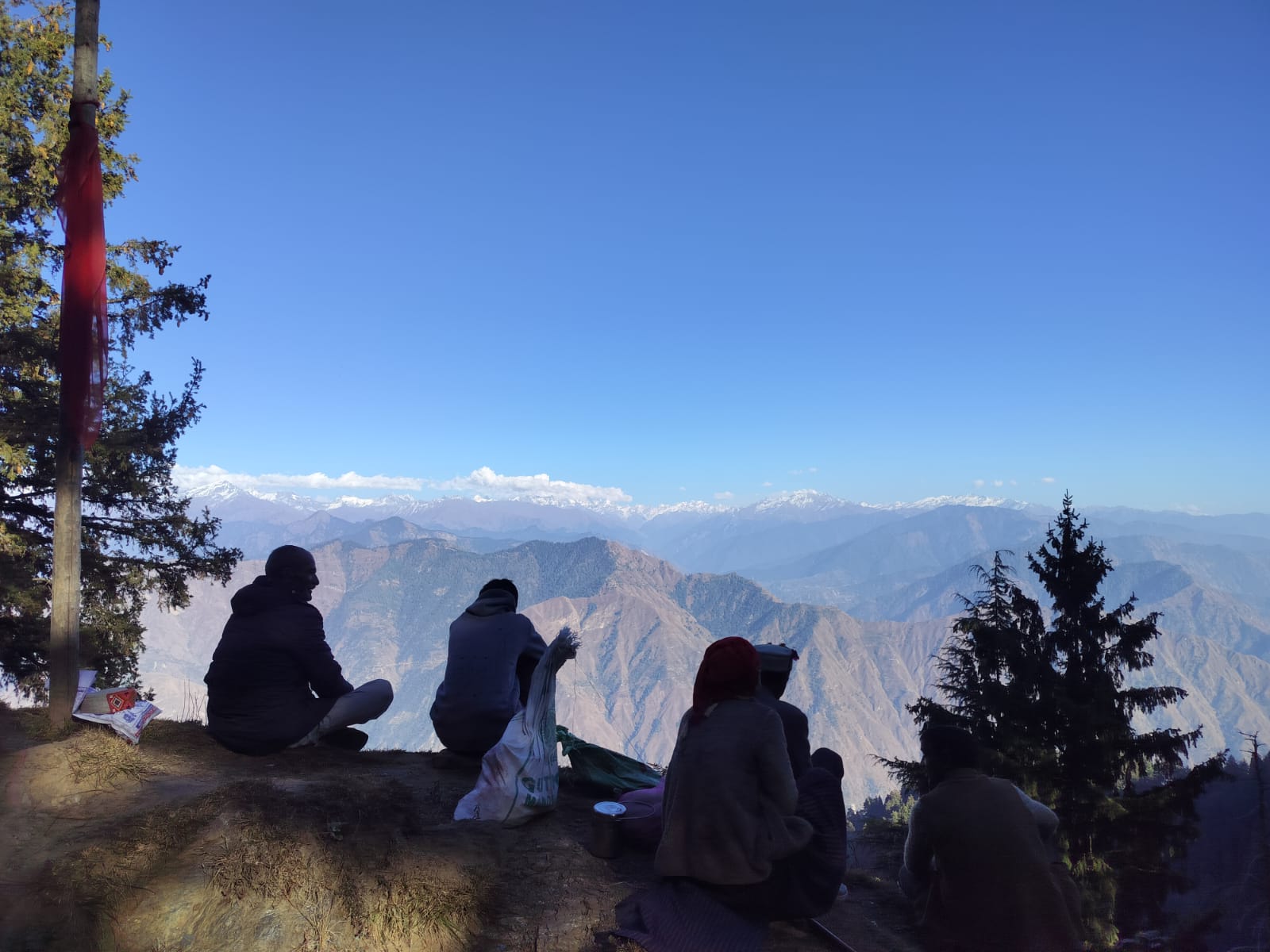
A weekend well spent in Nov 2025, when the 'short 25-minute hike' to an open-roof temple above the Beas turned into a full, beautiful trek.
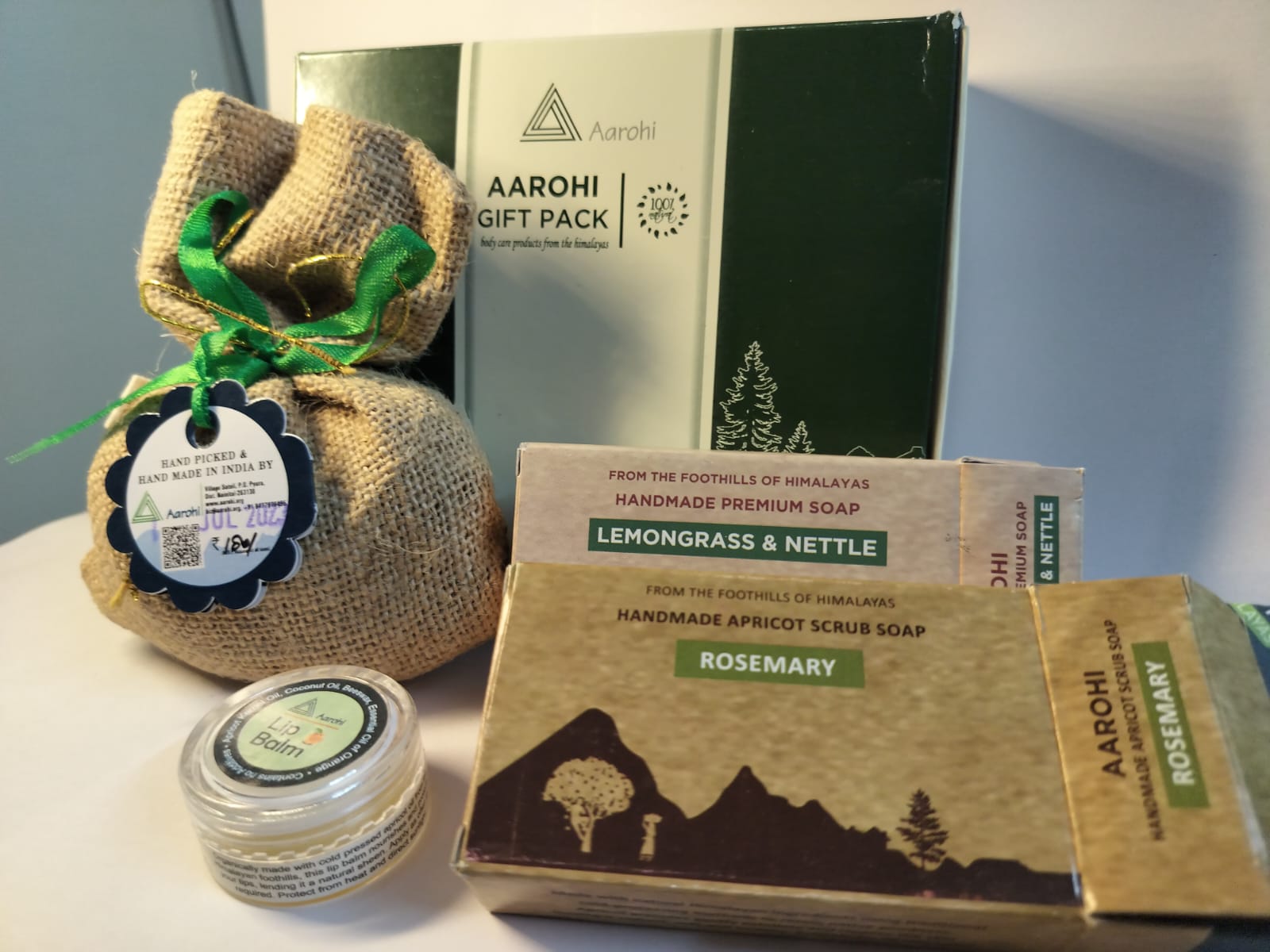
Founded in 1992 in Nainital, Aarohi is a rural development organisation creating cold-processed soaps with Himalayan botanicals (GI-tagged Chyura butter, apricot kernel scrub, oak charcoal, rhododendron, and more) alongside lip balms and natural fragrances. Over 30 years of supporting mountain communities.
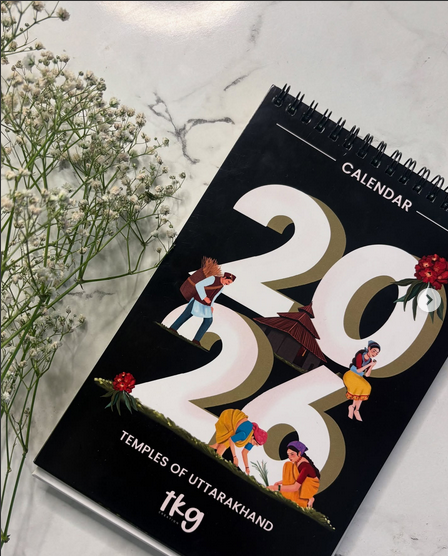
Digitally illustrated Kumaoni calendars and e-invites, a connecting thread for those living away from home. Each month brought to life with Himalayan culture, festivals, and the warmth of pahadi life.
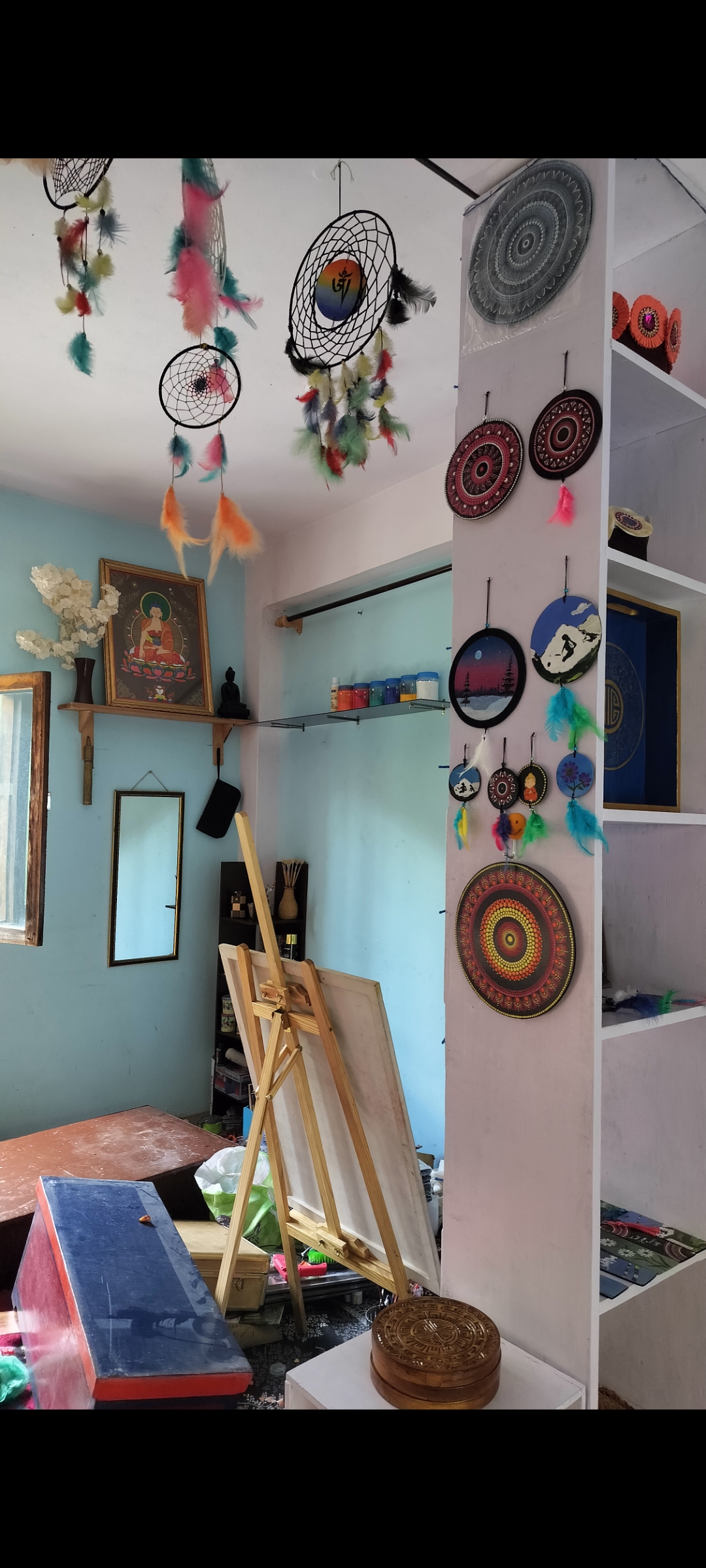
Hand-drawn art from Keylong, deep in the Lahaul valley of Himachal Pradesh at 3000m altitude: intricate dot mandalas, bookmarks, and traditional Soltags (good-luck tags) drawing from Buddhist and Himalayan artistic traditions. Made slowly, with intention.
Biodegradable leaf plates (pattal) crafted from Taur (Bauhinia vahlii) and other Himalayan leaves, reviving the ancient Himachali tradition of serving Dham on natural plates. 100% compostable, sturdy enough for hot curry and rice. An initiative for community and nature health.
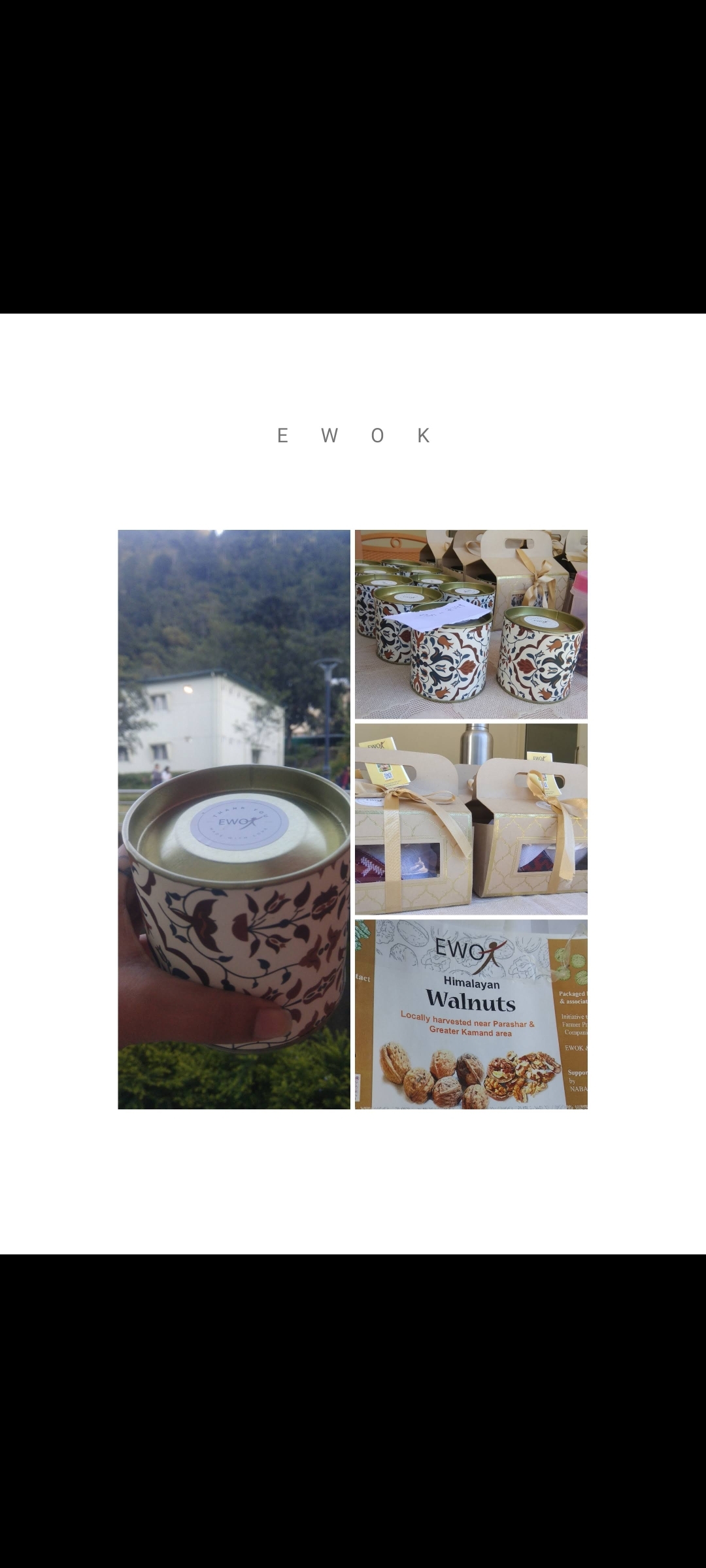
Enabling Women of Kamand: a community livelihood model from Mandi, HP, co-created with IIT Mandi. Products include walnuts, pine-needle coasters, reusable bags, and locally cultivated herbs. A participatory model where over 60 rural women are partners, not just workers.
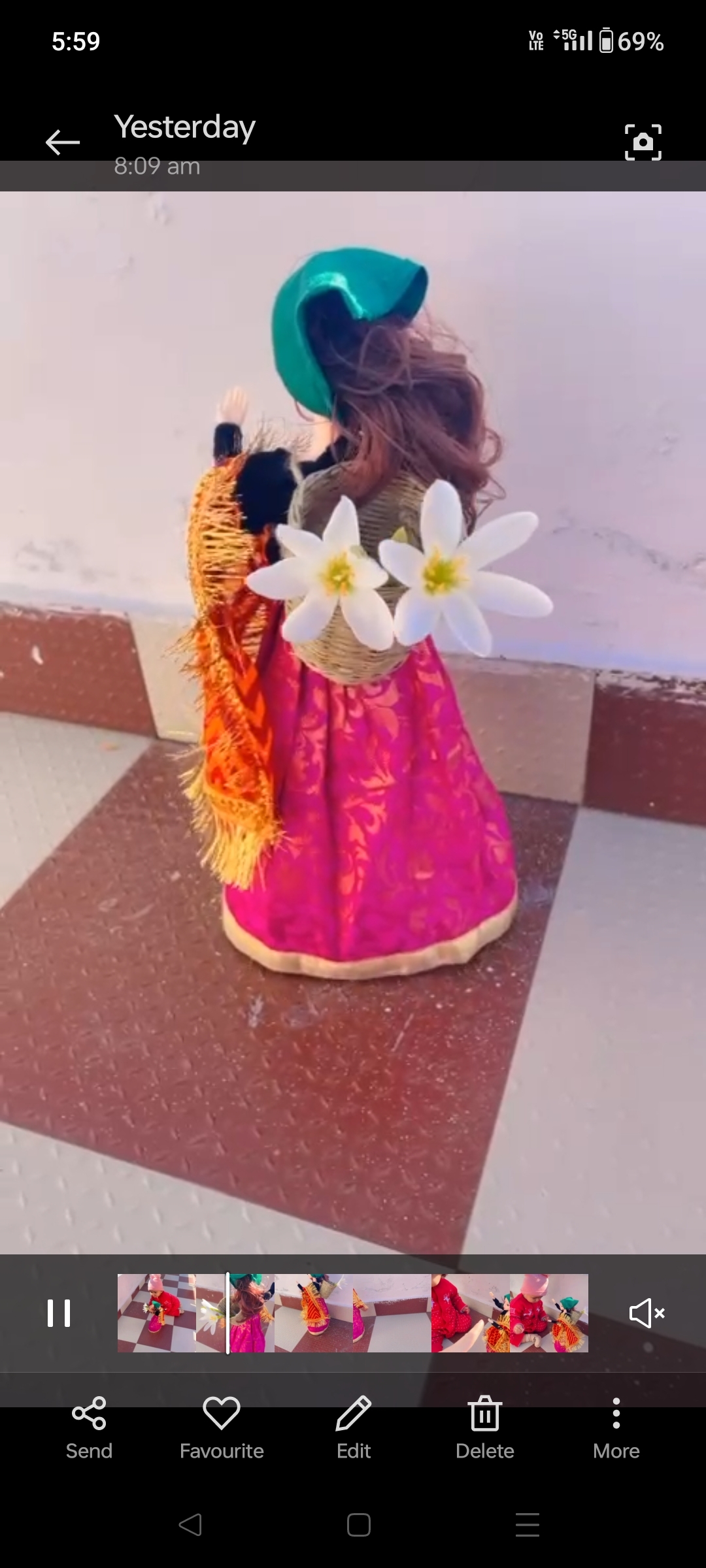
Uttarakhand's first Pahadi musical doll, handcrafted to represent the women of the mountains, dressed in traditional Garhwali-Kumaoni-Jaunsari attire with a back basket and head basket, singing 7 folk songs. Created by three friends so that children growing up away from the hills stay connected to their ancestral culture and language.
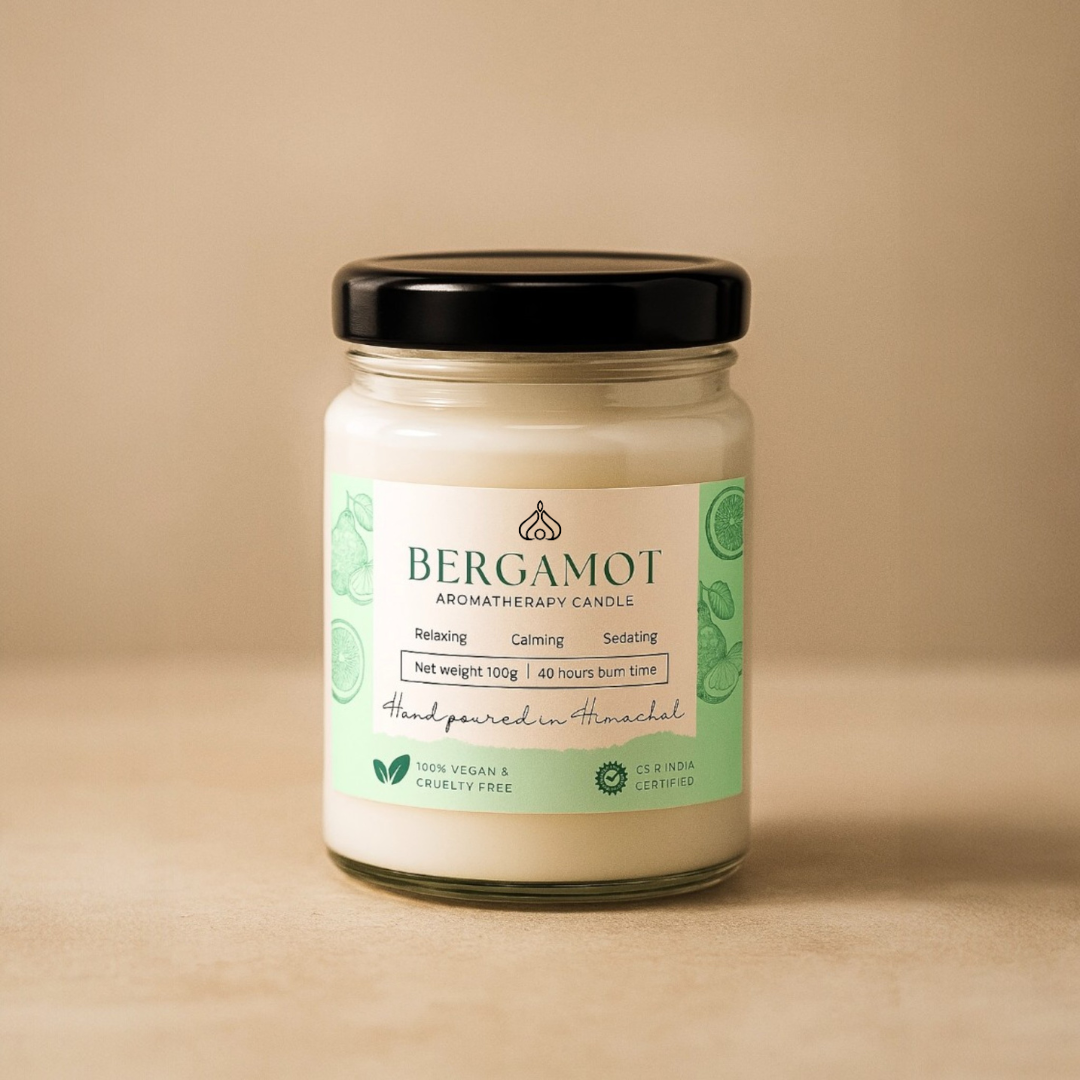
Science-backed aromatherapy products crafted with Himalayan botanicals, in collaboration with CSIR-IHBT Palampur. Soy-blend candles, alcohol-free attars, EDP perfumes, essential oils, and reed diffusers, where ancient Himalayan wisdom meets scientific rigour.
A collective platform for primary producers and subsistence farmers from Munsiari, Uttarakhand, at 7,500ft. GI-tagged Munsiari Rajma, buckwheat, handwoven Thulmas (woolen shawls) and carpets, caraway seeds, wild chives, and other high-altitude herbs. Rooted in fair trade and built on solidarity.
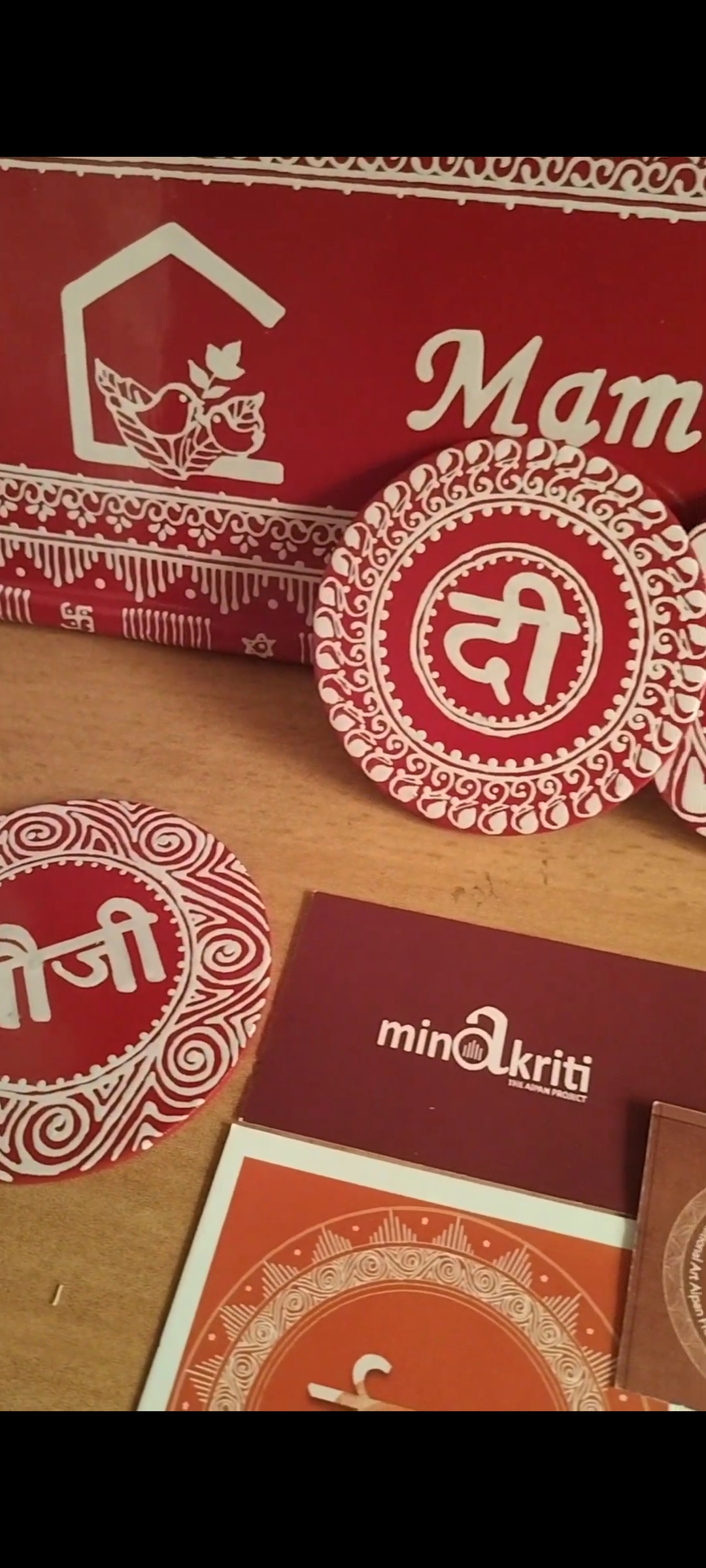
The ancient Kumaoni folk art of Aipan (white rice-paste patterns on red) brought onto nameplates, coasters, diyas, and home décor by a collective of 30 women artisans. Founded by Minakshi Khati in 2019 to revive a dying tradition, while giving women a livelihood from their homes.

A women-led brand from Dehradun creating garments with natural dyes and eco-printing using real flower petals, including petals from temple offerings given a second life. Sarees, dupattas, silk yardage, and stoles. 60+ women empowered, 100,000+ flowers used. Every piece is unique; no two are ever the same.

Namakwali was born in 2018 from the foothills of Uttarakhand. Women from across the region came together on the traditional silbatta (stone grinder) to introduce ancestral recipes of flavoured salts (garlic, ginger, herbs, choru, and classic blends) to the world.
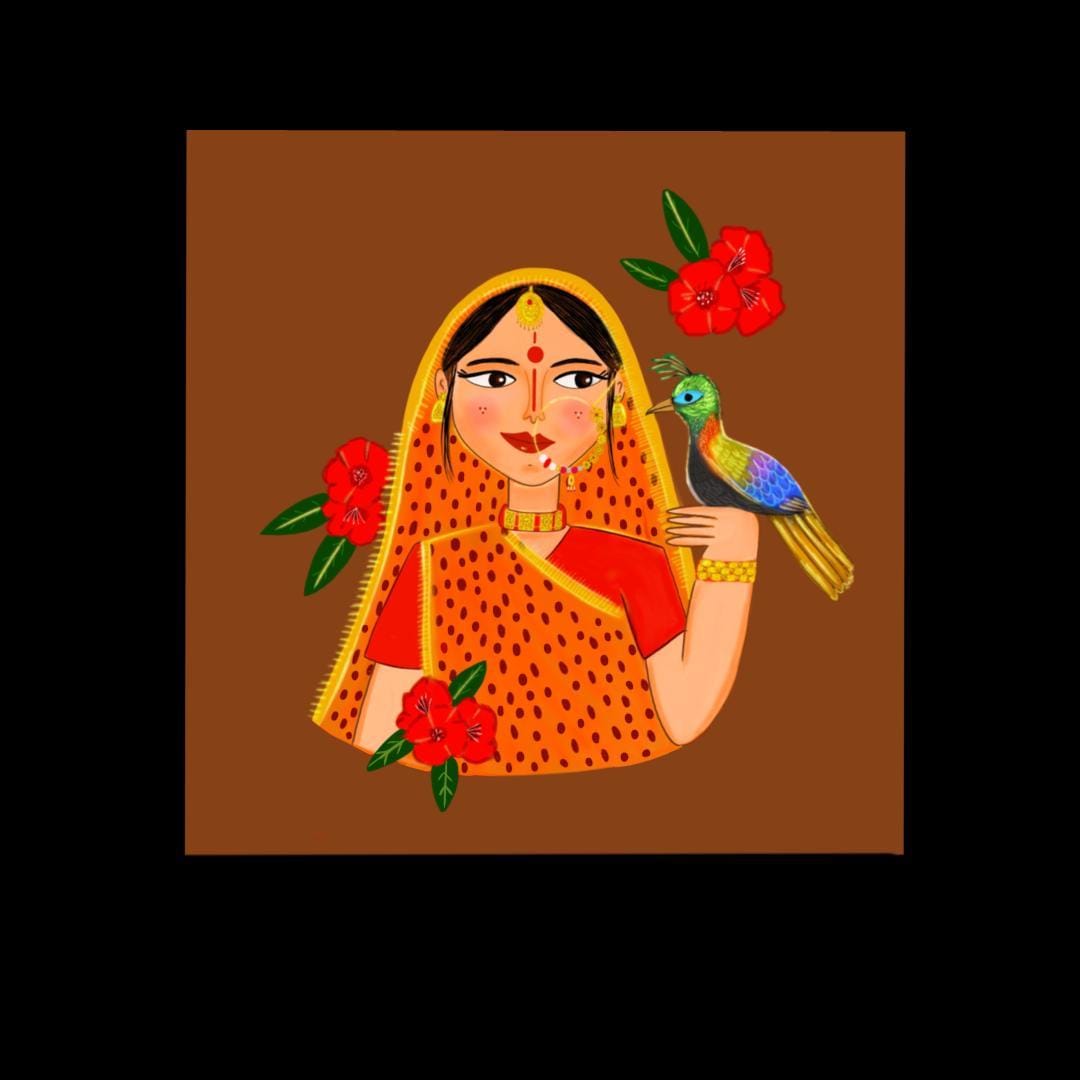
Rangeeli Masakali brings Pahadi culture to life through illustration: personalised wedding invitations, caricatures, custom sunboards, and digital art, each piece handcrafted with cultural detail and heart. From the hills of Uttarakhand, for every occasion.

Wild-harvested mountain teas straight from Dehradun: stinging nettle, rhododendron (buransh), and a variety of Kumaoni herbs, spices, and handicrafts. Brought directly from the hills, sidhe pahad se.
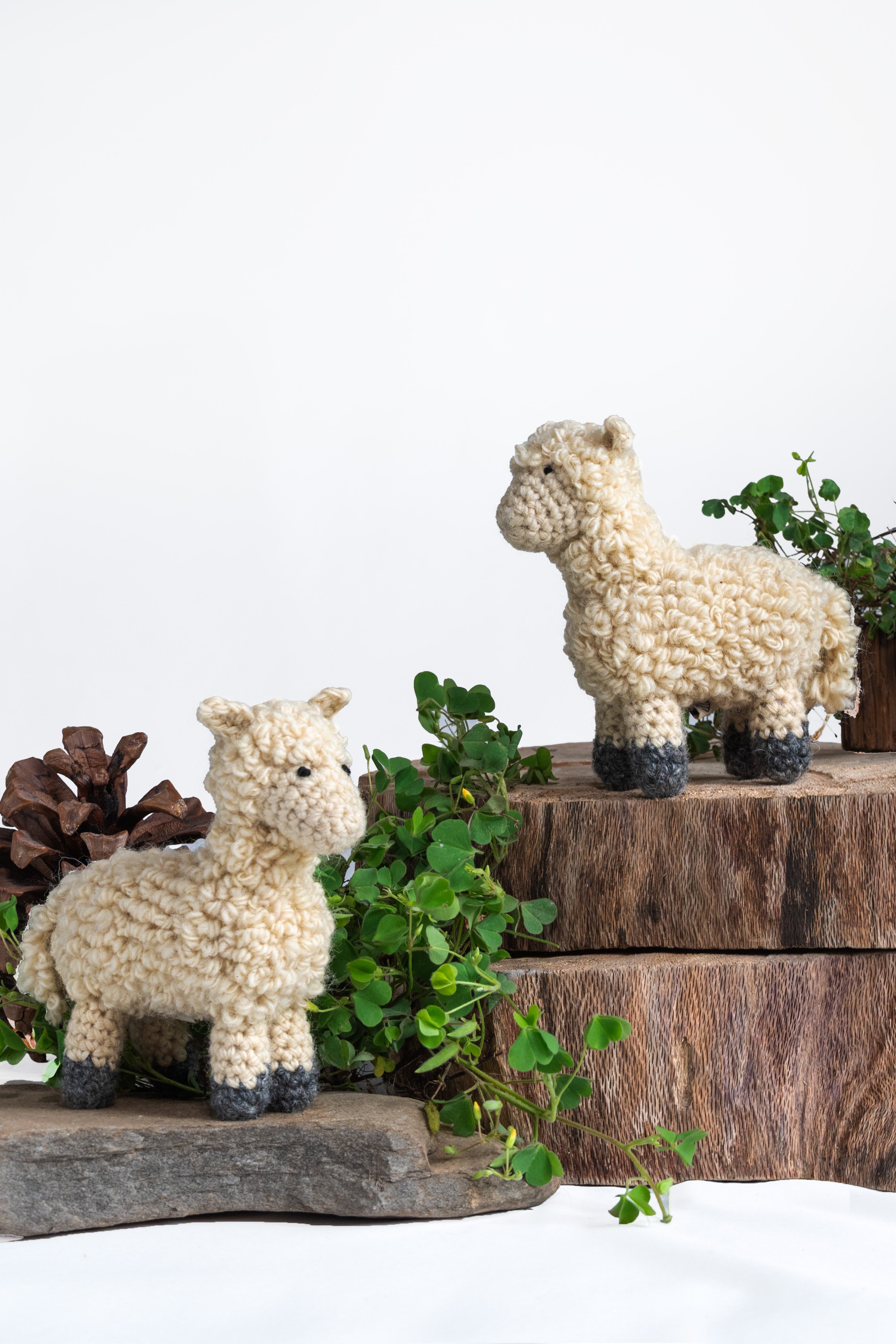
The Wool Knitters revives and sustains the timeless wool crafts of Himachal Pradesh, working closely with Gaddi shepherds and women artisans. Hand-crocheted Bhedu (sheep) brooches, yak brooches, birds, coasters, and dolls: ethical knitwear that honours traditional skills.
In the early 1960s, in a far-off corner of the Himalayas long fabled to hide a valley of immortality, a real-life Shangri-La, a charismatic visionary lama named Tulshuk Lingpa led over three hundred followers up the slopes of the world's third-highest mountain to 'open' the Hidden Land. Forty years later, Thomas Shor tracked down the survivors of that extraordinary expedition and wove their stories together with humour, wisdom, and scholarship on Tibetan traditions of Hidden Lands.
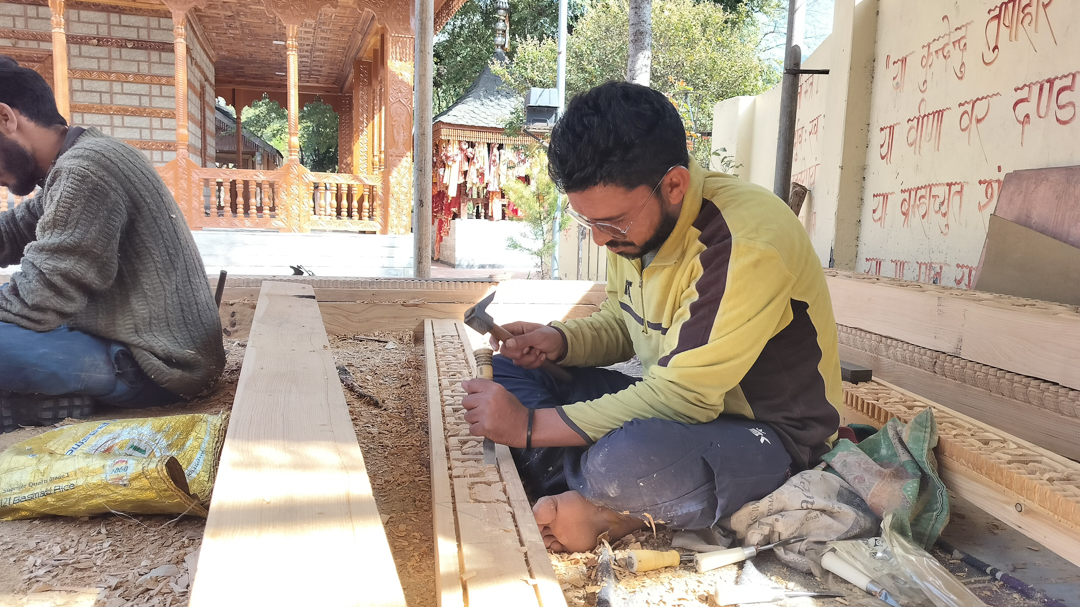
Lalita Waldia celebrates temple carvers who work intuitively, in order to serve the deity. An essay on the likhai tradition of Himachal's temple architecture, published in Garland Magazine.

The Scheduled Tribes and Other Traditional Forest Dwellers (Recognition of Forest Rights) Act, 2006: the legislation that recognises the rights of forest-dwelling communities over land and forest resources, central to life and livelihood across the Himalayan states.
A sweeping historical narrative tracing the human story across the Himalayan ranges, from ancient migration routes and trade corridors to the cultural exchanges that shaped civilisations on both sides of the mountains across millennia.
A freely accessible digital archive of two centuries of books, journals, maps, and documents about the Himalayas and surrounding mountain ranges. Includes the Royal Geographical Society journals (1830–1954), Himalayan Journal (1929–1963), Alpine Journal (1864–1929), and hundreds of rare texts on Himalayan geography, culture, and exploration. For personal, non-commercial use.
A scholarly collection examining the historical dimensions of the Himalayan frontier: political boundaries, ethnographic identities, ancient trade routes, and the evolving relationship between mountain communities and lowland states across centuries.
The definitive 19th-century gazetteer of the Himalayan Districts of the North-Western Provinces of India, covering the natural, historical, social, and economic geography of Kumaon, Garhwal, and surrounding ranges in extraordinary detail. A foundational reference for anyone studying the Indian Himalayas.
A rich account of the religious traditions, festivals, sacred shrines, and spiritual landscapes of Kumaon and Garhwal, written by an observer who spent decades in the region. Invaluable for understanding the devotional and cultural geography of the western Indian Himalayas.
One of the most spectacular desert mountain ranges in the world, Lahaul hides several ancient legends among its monasteries and high valleys. Former chief election commissioner of India Manohar Singh Gill brings into print the most enduring myths and folklore of Lahaul and Spiti: thirty enchanting stories of the Mulkila Rakshasini, the Barsi Nullah Bhoot, and the Chandrataal fairy. The definitive collection of folk tales from the Himalayas.
Frames from the archive's first field season — a temple above the Beas, a dammed river in Mandi, a village that once moved across a mountain, and the first Mu of a Lahaul winter.
Rain and snow coming down together.
The big snowfall — heavy blobs of snow falling thick and fast.
The windy snow — snow that arrives driven on the wind.
Snow — the root word, of which the valley knows many kinds.
The glittering snow that falls when a snowfall is about to end — tiny sparks that shine back at the light.
The smallest snowfall — flakes like tiny pearls, mostly with the incoming winter; a sign that heavier snow is on its way.